
Supporting Communities After Nepal’s Flash Floods
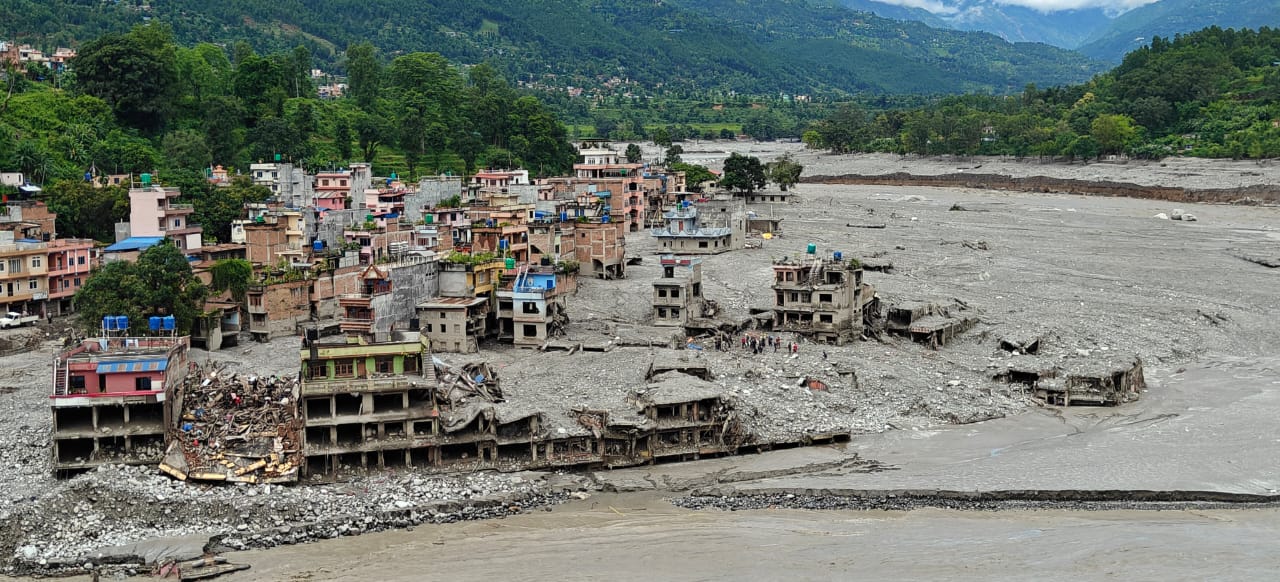
On the morning of 26 August 2026, massive flash floods swept through communities along the Bhote Koshi and Trishuli river corridors, severely affecting parts of Nuwakot, Rasuwa and Dhading. Homes, schools, roads, and livelihoods were damaged, while families were displaced, and access to essential services was disrupted. The scale of the disaster has been significant. According to Nepal’s disaster agency, at least 1,200 people have died and more than 4,200 remain missing. Children have also been significantly affected. As of 31 August, UNICEF estimated that 22,100 children had been affected, while more than 65,000 people were reported to be in need of assistance.
As reports of the flooding emerged, Street Child of Nepal began engaging with local partners and authorities to better understand the impact and immediate priorities.Nuwakot and Rasuwa were the locations where we started our operation in Nepal post 2015 earthquake supporting communities and education recovery through initiatives such as Temporary Learning Centres.
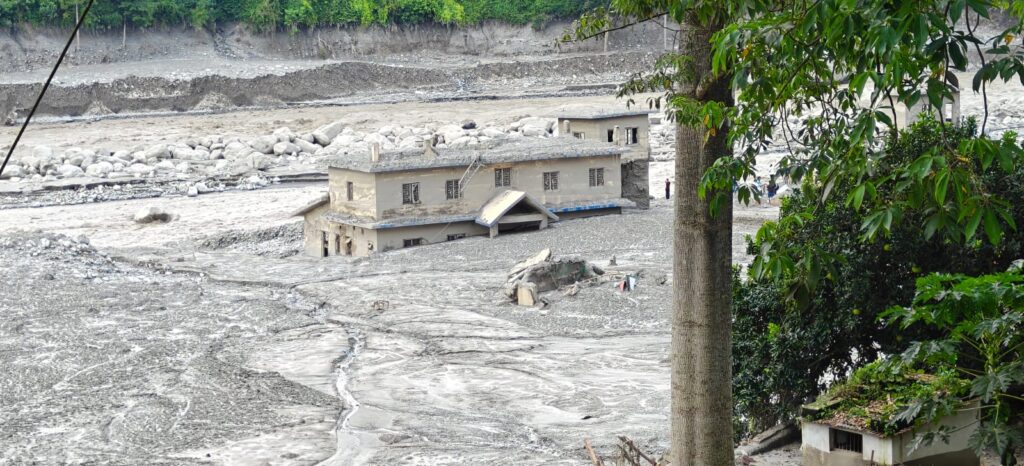
During our visit to Nuwakot, the team met with Bal Ram Rimal Sharma, a Primary Level In-Charge from Shree Tribhuvan Trishuli Secondary School where we had supported in 2015 for education recovery. Mr. Rimal shared the magnitude of the flash flood that day. He explained how quickly the floodwaters reached the school and swept away all its infrastructures. Quick action to timely evacuate the students after a warning phone call to the headteacher saved the lives of hundreds of children. However, the access to education of over 1600 students are now uncertain as the school has been swept away without a trace.
The team also met with RUDEC Nepal, a local partner with whom Street Child worked during the 2015 earthquake response. Min Kumar KC, Chairperson of RUDEC Nepal, shared updates on the impact across communities, including several schools where Street Child had previously implemented programmes. The discussions highlighted the need for support beyond immediate relief, particularly in education, child protection and livelihoods.
Responding to immediate needs
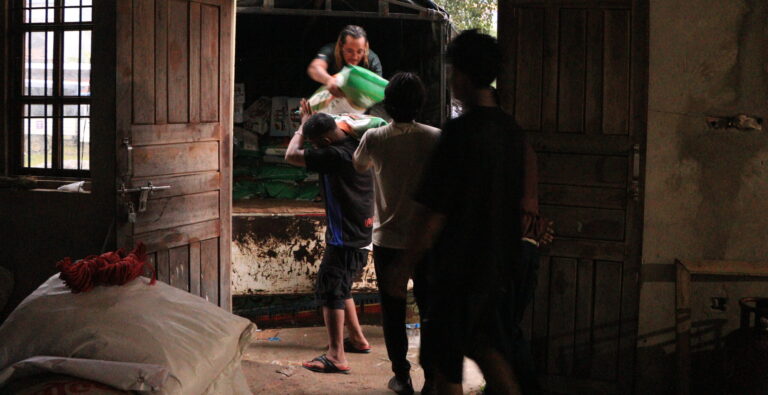
While one team travelled to assess the situation, another worked to prepare emergency relief packages for families most in need. As part of the initial response, relief packages were provided to 100 households—more than 500 people—in Nuwakot.
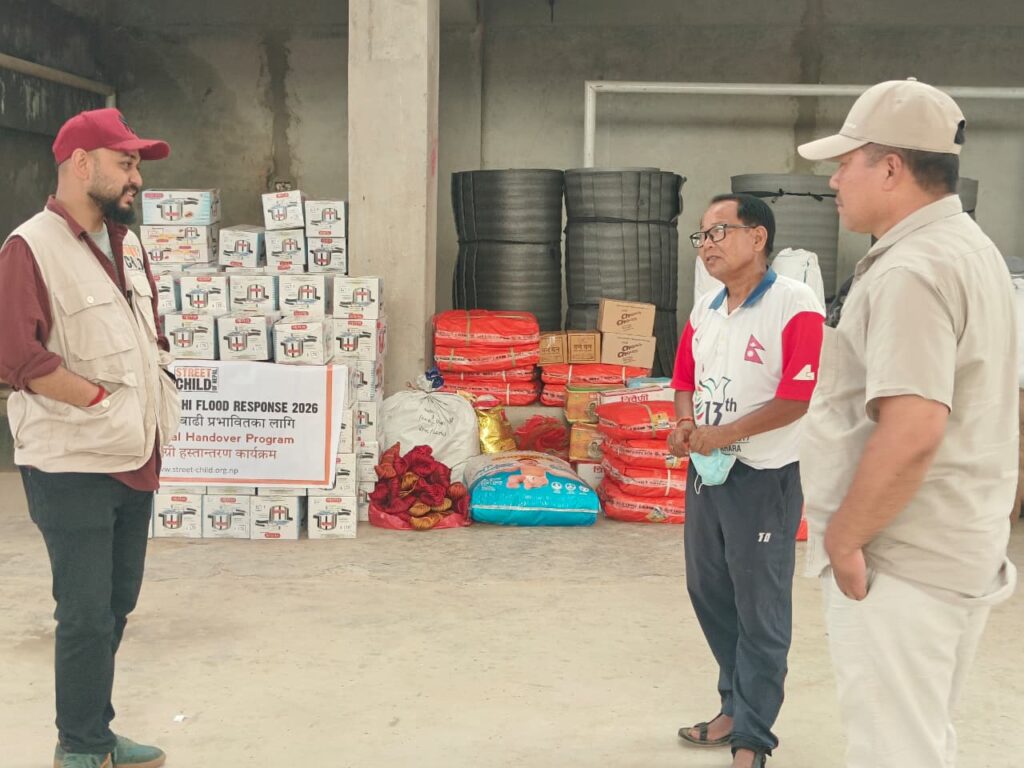
The packages have been designed around immediate household needs, including shelter items such as tarpaulins, blankets and PE foam; kitchen essentials including kitchen sets, buckets and mugs; hygiene items such as bathing and laundry soap, sanitary pads, oral-care items and towels; and food supplies including rice, lentils, cooking oil, salt, soybeans, beaten rice (chiura), and ready-to-eat foods such as sattu and lito. The packages were intended to help families meet basic household, food, shelter and hygiene needs in the immediate aftermath of the floods.
During a visit to Trishuli Bazaar, Street Child of Nepal Country Director Kshitiz Basnet observed the extent of the damage. “The scale of destruction caused by the floods has been difficult to witness. Our immediate priority is to provide essential support to families affected by the crisis. But our work does not stop with relief. We are now assessing what comes next and how we move from immediate assistance towards a longer-term response.”
The team also met with Dal Bahadur Tamang, Vice-Chairperson of the District Coordination Committee (DCC), Nuwakot, as part of the relief response. Relief packages for 100 affected households were handed over in coordination with the District Coordination Committee, for distribution to families identified as most in need. Mr. Tamang acknowledged the assistance and highlighted the importance of coordination between humanitarian organisations and local authorities in reaching affected communities.
As the immediate response unfolds, Street Child of Nepal is assessing the longer-term needs of affected communities particularly around children, education and recovery. For children and families, recovery can take months or years. Schools need to reopen. Safe spaces need to be restored. Families need to rebuild their livelihoods. And children need stability at a time when so much around them has changed. Street Child of Nepal will continue to work alongside communities and local authorities responding to immediate needs while building towards recovery.